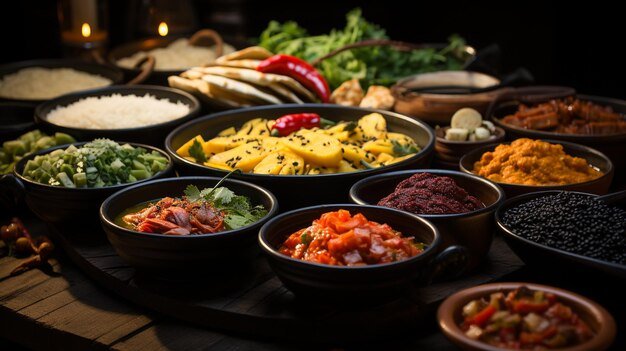
Food is far more than mere sustenance; it’s a language, a history book, and an art form all rolled into one. From the fragrant spice markets of Marrakech to the bustling noodle stalls of Tokyo, every bite tells a story. When we talk about International & Niche Cuisines, we're not just discussing ingredients and techniques, but delving into the very heart of diverse cultures, traditions, and human ingenuity. These culinary traditions, distinct from local fare, have journeyed across borders, captivating palates and enriching lives globally.
This isn't about simply eating; it's about exploring. It’s about understanding the "why" behind a dish, the historical currents that shaped its flavor, and the people who brought it to our tables. Get ready to embark on a delectable journey that promises to expand your culinary horizons and ignite a lifelong passion for global gastronomy.
At a Glance: Your Guide to Global Flavor Adventures
- Taste the World: International cuisine encompasses dishes and styles known and enjoyed across the globe, often distinct from local food.
- Cultural Crossroads: Migration, trade, tourism, and media are key drivers of food's global spread.
- Flavor Signatures: Each cuisine has its "accent" – think soy sauce in Japanese, olive oil in Italian, or chili in Mexican.
- More Than Just Taste: Global cuisines offer diverse health benefits, from heart-healthy Mediterranean to anti-inflammatory Indian spices.
- Explore at Home: Build an international pantry, adapt recipes, and confidently bring unique flavors into your own kitchen.
- Modern Twists: Discover how fusion cooking and sustainable practices are shaping the future of global food.
Decoding International & Niche Cuisines: What Makes Them Special?
At its heart, international cuisine refers to those cherished dishes and distinctive cooking styles that originated in one country or culture but have transcended their geographical boundaries to become known and enjoyed worldwide. They stand apart from the hyper-local or regional dishes that might be intensely popular within a small community but less recognized globally.
The journey of these cuisines across continents is a fascinating tale of human connection. Migration carries culinary traditions to new lands, establishing restaurants and food businesses that introduce novel tastes. Global trade facilitates access to exotic ingredients, while international tourism exposes travelers to exciting new flavors, sparking demand back home. In today’s interconnected world, media and social media act as powerful amplifiers, transforming dishes from distant lands into viral trends and inspiring home cooks to experiment.
What truly differentiates one cuisine from another often boils down to a few fundamental elements: the basic foods used, the signature cooking techniques, and the delicate balance of flavors. These elements combine to create a recognizable "accent" that immediately transports you. Consider the undeniable pairing of soy sauce, ginger, and rice wine in Chinese food, or the aromatic trio of olive oil, tomatoes, and oregano in Italian. These are more than just ingredients; they are cultural markers.
A Global Feast: Spotlight on Iconic Cuisines
Let's dive into some of the world's most beloved and influential cuisines, appreciating their unique contributions to the global table.
Italian Cuisine: The Art of Simple Perfection
Synonymous with pasta and pizza, Italian cuisine is a testament to the power of simple, high-quality ingredients. It champions wheat-based products, rich olive oil, ripe tomatoes, fragrant garlic, and an abundance of fresh herbs. Vegetables like eggplant and zucchini feature prominently, alongside meats such as beef, veal, and pork, and a wealth of fresh seafood, especially along its extensive coastlines.
Olive oil often forms the aromatic foundation, frequently combined with anchovies, garlic, or herbs to create rich flavor bases. Wine is not just for drinking; it's a common ingredient, enhancing sauces and braises. And, of course, no discussion of Italian food is complete without its cheeses—from the sharp, nutty Parmigiano-Reggiano to the creamy, stretchy mozzarella. For anyone who appreciates the best Palm Springs pasta dishes, the philosophy of letting quality ingredients shine is clear.
Japanese Cuisine: Harmony, Precision, and Umami
Japanese food builds flavor through subtle layering and thoughtful ingredient combinations. It emphasizes a gentle, umami-rich profile achieved with staples like soy sauce, rice wine (sake), sugar, and mirin. Cooking techniques prioritize natural textures and delicate tastes, favoring broiling, poaching, and steaming for lighter meals. Even deep-frying, as seen in tempura, is executed with a lightness that preserves the ingredient's inherent character. Precision in preparation and presentation is paramount, reflecting a deep respect for both food and diner.
Indian Cuisine: A Symphony of Spices
Indian cuisine is a vibrant tapestry woven from millennia of cultural exchange, religious influence, and diverse regional adaptations. Its foundation rests on grains (rice, wheat), legumes, and a vast array of vegetables. Vegetarianism is widely practiced, shaping a rich tradition of plant-based dishes.
The true soul of Indian cooking lies in its extraordinary range of spices. Unlike many Western approaches, Indian cooks typically custom-grind and combine spices such as cumin, turmeric, coriander, cardamom, cloves, and mustard seed for each dish, region, and even family—eschewing a generic "curry powder." This bespoke approach creates an unparalleled depth and complexity of flavor.
Chinese Cuisine: Diverse Flavors, Dynamic Techniques
Chinese cuisine, sprawling across a vast geography, is incredibly diverse. Rice serves as the staple in the warmer south, while wheat-based items like noodles and dumplings dominate the cooler north. A wide array of proteins, including chicken, duck, pork, and seafood, are paired with an abundance of fresh vegetables.
Iconic cooking techniques define Chinese culinary artistry: stir-frying, characterized by quick, high-heat cooking in a wok, perfectly preserves texture and flavor; steaming offers delicate results; braising creates tender, flavorful meats; and deep-frying adds crispy contrasts.
Thai Cuisine: Bold, Aromatic, and Balanced
Thai cuisine is celebrated for its bold flavors and aromatic ingredients, a testament to its vibrant cultural exchanges with neighboring countries. Rice and noodles form the core, accompanied by fresh herbs, various meats, fish, and an array of vegetables.
Its distinct flavor profile is built on key ingredients: nam pla (fish sauce) provides an essential umami depth; generous amounts of garlic add pungency; bird's eye chilies deliver heat; and fresh coriander (both leaves and roots) are integral to marinades and complex curry pastes. The harmonious balance of sweet, sour, salty, and spicy is the hallmark of truly great Thai food.
Mexican Cuisine: Heritage Blended with Innovation
Mexican cuisine is a captivating blend of indigenous traditions—reliant on corn, beans, squash, and intricate chile-based sauces���and the introductions brought by Spanish influence, such as wheat, rice, beef, pork, citrus, and frying techniques.
Flavor foundations include the ubiquitous chilies, ripe tomatoes, tart lime juice, garlic, onions, and warming spices like cumin and cinnamon. Common seasoning combinations are tomato with chile and lime with chile; fresh coriander (cilantro) frequently provides a bright, herbaceous finishing touch. If you're seeking authentic Mexican Old Town Palm Springs experiences, you'll recognize these foundational flavors.
Middle Eastern Cuisine: A Crossroads of Flavor
Sitting at the crossroads of Europe, Asia, and Africa, Middle Eastern cuisine is a rich mosaic of culinary influences. Staples include wheat, barley, chickpeas, fava beans, and succulent lamb. Cooking techniques range from oven-baking and slow simmering to the distinctive use of yogurt as a tangy base. Spit-roasting meats like lamb and chicken (think shawarma) is a widespread and cherished tradition.
Cinnamon is used generously, often found in both sweet and savory dishes, providing warmth and depth. Essential fresh herbs like parsley, mint, and dill, paired with bright lemon juice, uplift and freshen dishes. Major flavor combinations include the comforting tomato with cinnamon and the zesty lemon with parsley.
French Cuisine: Elegance and Refinement
French cuisine is globally celebrated for its elegance, refinement, and a penchant for luxurious ingredients like truffle and caviar. High-quality dairy products—especially butter, cream, and a vast array of cheeses like Camembert—are absolutely central to its identity. Unlike many other global cuisines, French cooking often relies on fresh herbs and various vinegars to provide nuanced flavor, rather than a heavy hand with exotic spices. It's about technique, precision, and the art of coaxing the most exquisite flavors from carefully selected components.
Greek Cuisine: Mediterranean Freshness with a Wild Twist
Greek cuisine beautifully bridges Mediterranean and Middle Eastern flavors, creating a distinct and highly enjoyable culinary profile. It features classic staples like fluffy pita bread, creamy yogurt, and mouth-watering spit-roasted meats. A distinctive flavor pairing is the comforting combination of tomato with cinnamon. However, the defining taste of Greek food often comes from wild oregano (or wild thyme), generously blended with high-quality olive oil and bright lemon juice, providing an aromatic, earthy, and zesty signature.
The Forces Shaping Our Plates: Why Cuisines Travel
How do these incredible food traditions manage to span continents and become household names? It's a complex interplay of various factors that act as culinary ambassadors.
Migration: Spreading Seeds of Flavor
Perhaps the most potent driver of culinary diffusion is migration. As people move across borders, they don't just carry their belongings; they carry their food traditions. Immigrant communities establish restaurants, grocery stores, and food businesses, introducing their native dishes to a new audience. Over time, these foods become integrated into the local culinary landscape, evolving and adapting while retaining their core identity.
Global Trade: The Spice Route Continues
From ancient spice routes to modern shipping lanes, global trade has always facilitated access to international ingredients. Today, specialized spices, exotic fruits, unique grains, and traditional sauces are readily available, enabling home cooks and professional chefs alike to recreate authentic dishes far from their origin. This interconnectedness fuels authenticity and innovation simultaneously.
International Tourism: A Taste of Adventure
Travel opens minds and, crucially, palifies palates. When travelers experience new flavors and culinary practices abroad, they often return home with a newfound appreciation and a desire to recreate those experiences. This creates a powerful demand for international restaurants, specialty stores, and accessible recipes, further popularizing global cuisines.
Media & Social Media: The Digital Dining Table
In the digital age, media and social media are unparalleled forces in spreading culinary trends. TV shows, documentaries, cooking competitions, and viral food trends on platforms like TikTok and Instagram spark immense curiosity and drive interest in international foods. A beautifully plated dish or a compelling cooking video can transform an obscure cuisine into an overnight sensation, making it instantly recognizable and desirable.
Health and Lifestyle Choices: Eating for Wellness
A growing global interest in health and lifestyle choices also influences the popularity of international cuisines. Diets focusing on plant-based, gluten-free, organic, or low-sugar/carb options often find natural alignment with many traditional international cuisines. For example, the Mediterranean diet is widely lauded for its heart-healthy benefits, while Indian and Middle Eastern cuisines offer abundant and delicious vegetarian options that cater to unique vegan eats. These health alignments often introduce new demographics to the rich flavors of global food.
The Building Blocks: Foundations of Culinary Identity
Beyond the individual dishes, there are fundamental principles that underpin world cuisines. Understanding these helps unlock the secrets to their unique flavors.
Regional Influences: Geography, Climate, and History
Every cuisine is a product of its environment. Geography plays a crucial role—coastal regions naturally favor seafood, while mountainous areas might rely on preserved meats and hardy grains. Climate dictates ingredient availability, influencing everything from growing seasons to food preservation methods. Historical trade routes, like the famed Silk Road, have also left an indelible mark, introducing new ingredients and techniques that led to fascinating fusion cuisines long before the term became trendy.
Essential Ingredients: The Flavor Palette
At the core of each cuisine is a set of essential ingredients that form its distinctive flavor profile.
- Mediterranean cuisine consistently uses olive oil, garlic, tomatoes, and fresh herbs.
- Asian cuisines often feature soy sauce, ginger, garlic, and various fermented ingredients that contribute essential umami.
- Latin American cooking is defined by chili peppers, zesty lime, fresh cilantro, and corn in its myriad forms.
Understanding these foundational ingredients and investing in quality spices is perhaps the most empowering step for home cooks looking to recreate authentic dishes. They are the building blocks that allow you to paint with flavors from around the world.
Mastering the Methods: Cooking Techniques Across Cultures
Beyond ingredients, the how of cooking is equally important. International cuisine employs diverse methods developed over centuries, each finely tuned to its specific ingredients and cultural context.
- French braising involves slow, moist cooking that tenderizes tough cuts of meat and infuses them with rich flavor.
- Chinese stir-frying uses quick, high-heat cooking in a wok to preserve the crispness of vegetables and the tenderness of proteins.
- Indian tandoor cooking utilizes a cylindrical clay oven to achieve intense heat, resulting in smoky, perfectly charred breads and meats.
- Peruvian ceviche preparation relies on the acid of citrus juice to "cook" delicate seafood, a technique perfected in coastal communities.
While specific equipment like woks, tagines, comals, or rice cookers can certainly enhance authenticity and ease, many traditional techniques are surprisingly adaptable with standard kitchen tools. The key is understanding the principle behind the method, not just owning the specialized gear.
Beyond the Plate: Health Benefits of Global Eating
Eating internationally isn't just a delicious adventure; it's often a healthy one. Global cuisines offer remarkable nutritional diversity and balance, frequently aligning with modern dietary recommendations.
The Mediterranean diet, for instance, with its emphasis on whole grains, fresh vegetables, healthy fats from olive oil, and lean proteins, is celebrated worldwide for its heart-healthy benefits and longevity. Many Asian cuisines prioritize fresh ingredients, balanced meals, and fermented foods, supporting digestive health and overall well-being.
Furthermore, many international dishes incorporate ingredients renowned for their medicinal properties. Turmeric, a staple in Indian cooking, is a powerful anti-inflammatory. Ginger, ubiquitous in many Asian cuisines, is known for its digestive and immune-boosting benefits. Garlic, a foundational ingredient across countless cultures, offers both flavor and immune-supporting compounds. By exploring these diverse culinary traditions, you're not just expanding your palate, but potentially enriching your health.
Taste of Tomorrow: Modern Trends in Global Food
The world of international cuisine is dynamic, constantly evolving with new influences and innovative approaches. Two significant modern trends are reshaping how we experience global flavors.
Fusion Cooking: A Delicious Mingle
Fusion cooking is the art of combining techniques, ingredients, and flavor profiles from multiple culinary traditions. This isn't just about throwing different things together; it's a thoughtful, often experimental, approach that creates entirely new and exciting dishes. Think Korean-Mexican tacos that blend spicy gochujang with fresh salsa, or the exquisite Japanese-Peruvian Nikkei cuisine that marries delicate sashimi with vibrant Aji Amarillo peppers. Fusion cooking celebrates culinary cross-pollination, pushing boundaries and delighting adventurous eaters.
Sustainable International Cooking: Local Roots, Global Flavors
A growing movement in sustainable international cooking emphasizes local sourcing, seasonal ingredients, and reduced waste. This approach adapts traditional recipes to local availability, showcasing how global flavors can be recreated or reimagined using ingredients close to home. It's about respecting both the planet and culinary heritage, proving that enjoying international tastes doesn't necessarily require importing ingredients from halfway across the world. It encourages creativity and a deeper connection to both global food traditions and local ecosystems.
Bringing the World to Your Kitchen: Exploring Niche Cuisines at Home
The beauty of international and niche cuisines is that you don't need a passport to experience them. Your own kitchen can be the gateway to a world of flavors.
Building Your Global Pantry
Start small but strategically. Gradually collect essential spices and sauces that form the backbone of various cuisines. Think beyond salt and pepper. A well-stocked international pantry might include:
- Asian Staples: Soy sauce, rice vinegar, sesame oil, ginger paste, red curry paste.
- Mediterranean & Middle Eastern Essentials: Quality olive oil, sumac, za'atar, cumin, paprika, preserved lemons.
- Latin American Must-Haves: Dried chilies, lime juice, cilantro, cumin, oregano, annatto paste.
You don't need to buy everything at once. Pick a cuisine that interests you, research its core ingredients, and slowly build your collection. Specialty grocery stores and international markets are invaluable resources for finding authentic ingredients that will elevate your home cooking.
Mastering Adaptation: The Key to Home Cook Success
Few home cooks have access to every obscure ingredient or piece of specialized equipment. The key to successful international cooking at home is understanding the role of each component in a dish and being confident in adapting.
- Ingredient Substitutions: If a specific chili isn't available, can you use a similar one with a comparable heat and flavor profile? If a fresh herb is out of season, could a dried version or a related herb offer a similar essence?
- Technique Tweaks: Don't have a wok? A large skillet can often suffice for stir-frying. No tandoor oven? Your regular oven or grill can achieve delicious results with a few adjustments.
The goal isn't always perfect replication, but rather respectful interpretation. By focusing on flavor balance and understanding the spirit of the dish, you can maintain authentic taste profiles while working with what you have. Don't be afraid to experiment! Every cooking adventure is a learning opportunity.
Beyond the Plate: The Cultural Immersion
Exploring international and niche cuisines is more than just a culinary pursuit; it's a form of cultural immersion. Each dish carries stories of its people, their history, their environment, and their traditions. When you delve into a new cuisine, you're not just trying a new recipe; you're engaging with a different way of life, fostering a deeper appreciation for global diversity.
So, go ahead. Pick a cuisine you've never tried, find a recipe that sparks your interest, and gather your ingredients. Your kitchen awaits its next global adventure. The world, quite literally, is your oyster—or your curry, your taco, or your sushi roll. Embrace the journey, one delicious bite at a time.